
The Shared Research Instrumentation Facility:
The Shared Research Instrumentation Facility (SRIF) is designed to accommodate researchers from the various natural-science departments at George Mason University. The SRIF lab is located in room 221 Discovery Hall on the GMU Prince William campus. SRIF provides a laboratory environment suitable for short-term or continuing analytical investigations.
Our Mission:
To supply students, staff and faculty with various research instruments that can help them on their study in the fields of Forensic Chemistry, Pharmaceutical products, Environmental contamination that impact people’s health and daily life.
Research Equipment:
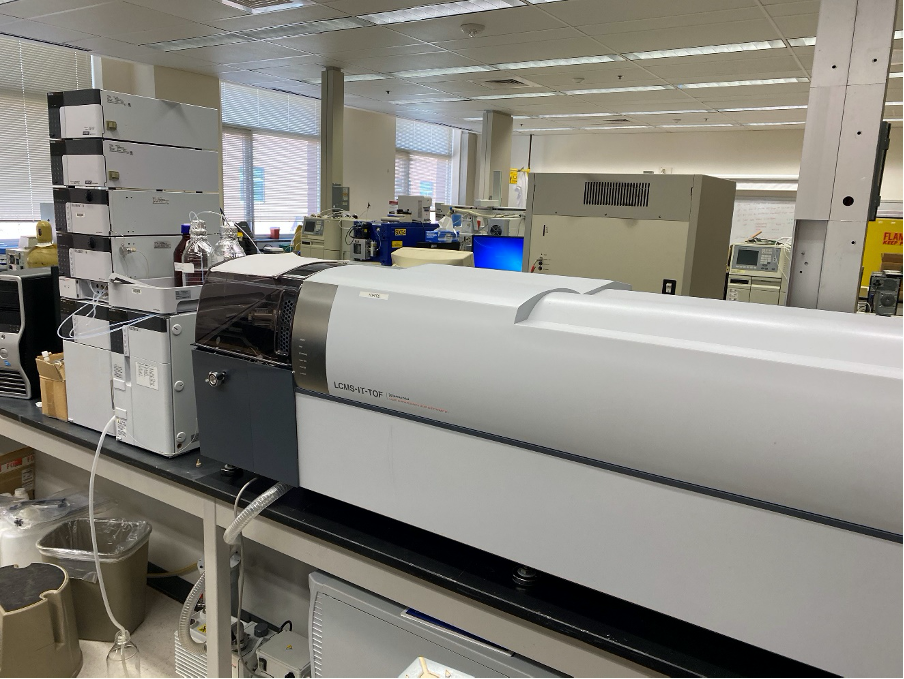
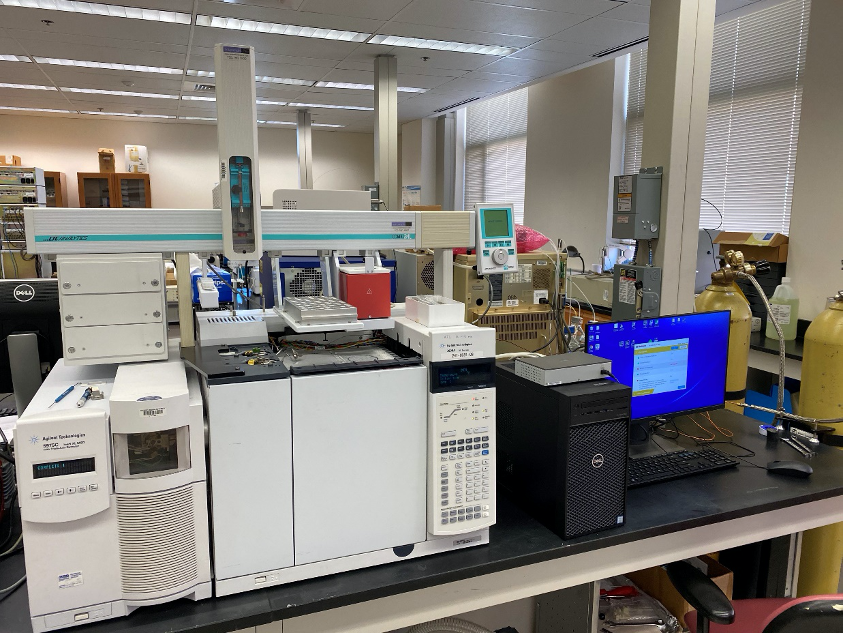
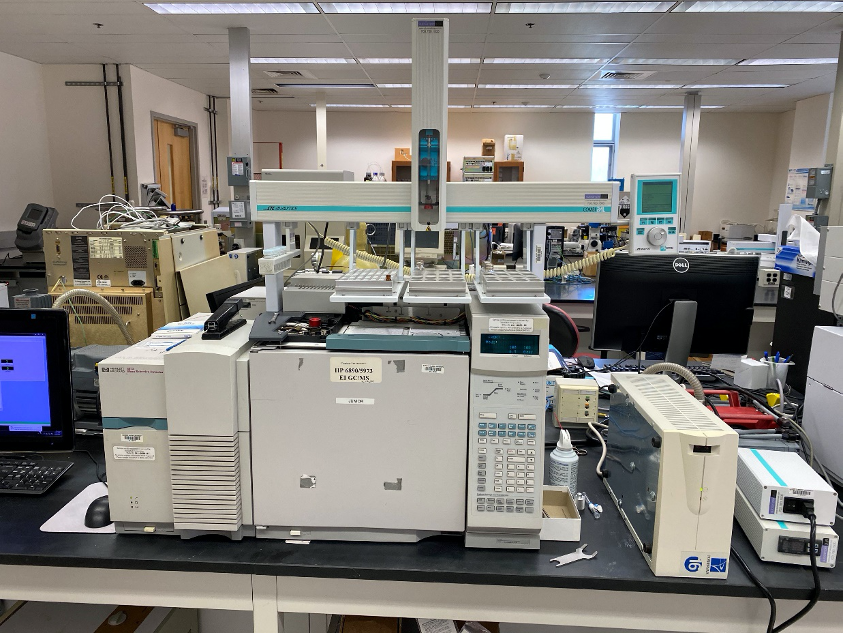
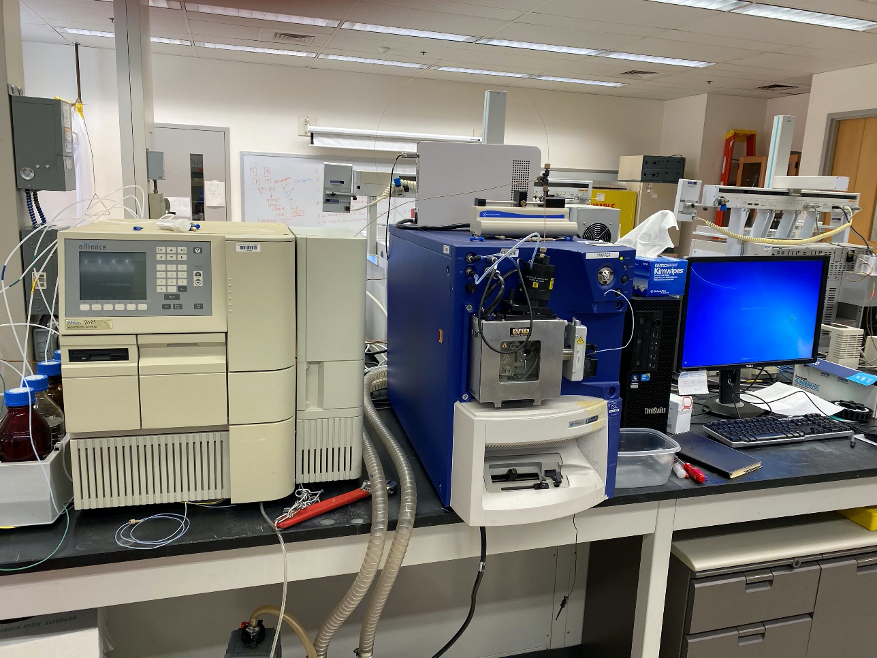
The Shared Research Instrumentation Facility (SRIF) provides state-of-the-art, high-tech analytical instruments for conducting applied scientific research in the chemical and biochemical fields. SRIF’s selection of computer-controlled equipment is of the same high caliber as those found in advanced commercial and governmental laboratories. SRIF enables researchers to share the expensive equipment in our lab.
Or, if you are a George Mason University graduate student planning a research project requiring chemical analyses and would like to use our equipment, please contact Dr.Thomas Huff, SRIF Director.
Research Collaborations:
The Potomac Environmental Research and Education Center (PEREC)
The Shared Research Instrumentation Facility collaborates closely with PEREC research through the instrumental analysis of environmental samples for multiple classes of micro-pollutants.
See Our Research with PEREC:
Graduate Research:
The Shared Research Instrumentation Facility (SRIF) equipment can be a critical component in any graduate research project that requires chemical analysis. The experienced SRIF staff provides training, technical consultation and advice for project planning for George Mason University students.
View a list of the current Graduate Research Students we are working with, what their research is, and the equipment they are using: